What's happening in
wholesale distribution
Operations, AI, and the future of the order desk — written for distribution leaders.
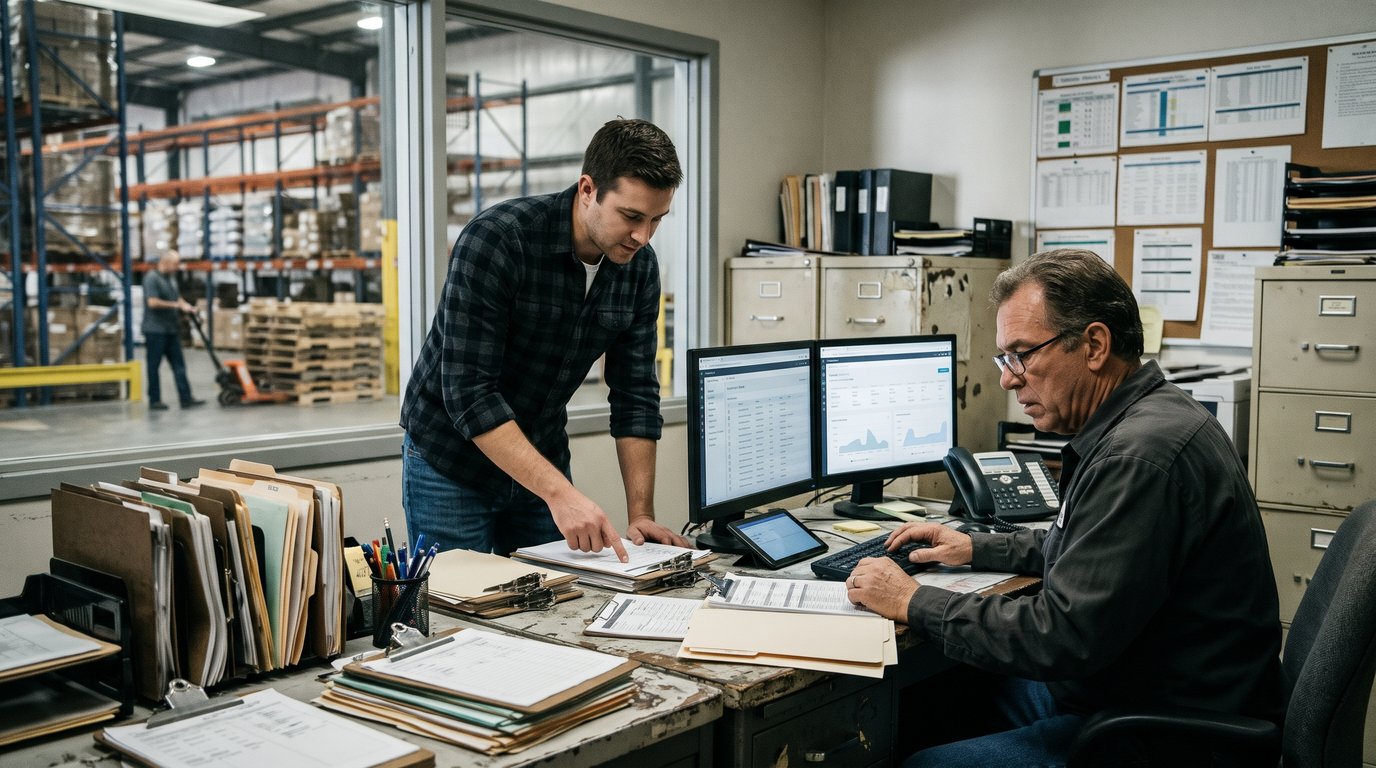
At an NAW executive roundtable, almost none of the interesting conversation about AI was about the technology. It kept coming back to ownership, trust, change fatigue, and who the change actually lands on.

The best distributors don’t have simpler businesses — they’re better at absorbing complexity so the customer never has to carry it. One company, every channel, no internal handoffs to manage.

Most distributors have run enough AI pilots to know the technology works. What stalls projects isn’t capability — it’s that no one owns the business result the technology was supposed to improve.
Distributors increasingly can modernize how work gets done without replacing the system where the transaction is recorded. Separating the system of record from the system of work changes what modernization actually requires.
As AI moves from answering questions to performing operational work, distributors face a different question: what is the AI allowed to do without asking a person first? The answer defines the next stage of automation.

The real choice isn’t digital versus human — it’s routine versus complex. That distinction changes everything about how distributors should think about automation and the customer experience.

Most exceptions distributors handle every day aren’t really exceptional — they follow recognizable patterns. That distinction changes what the future order desk looks like, and who it needs.
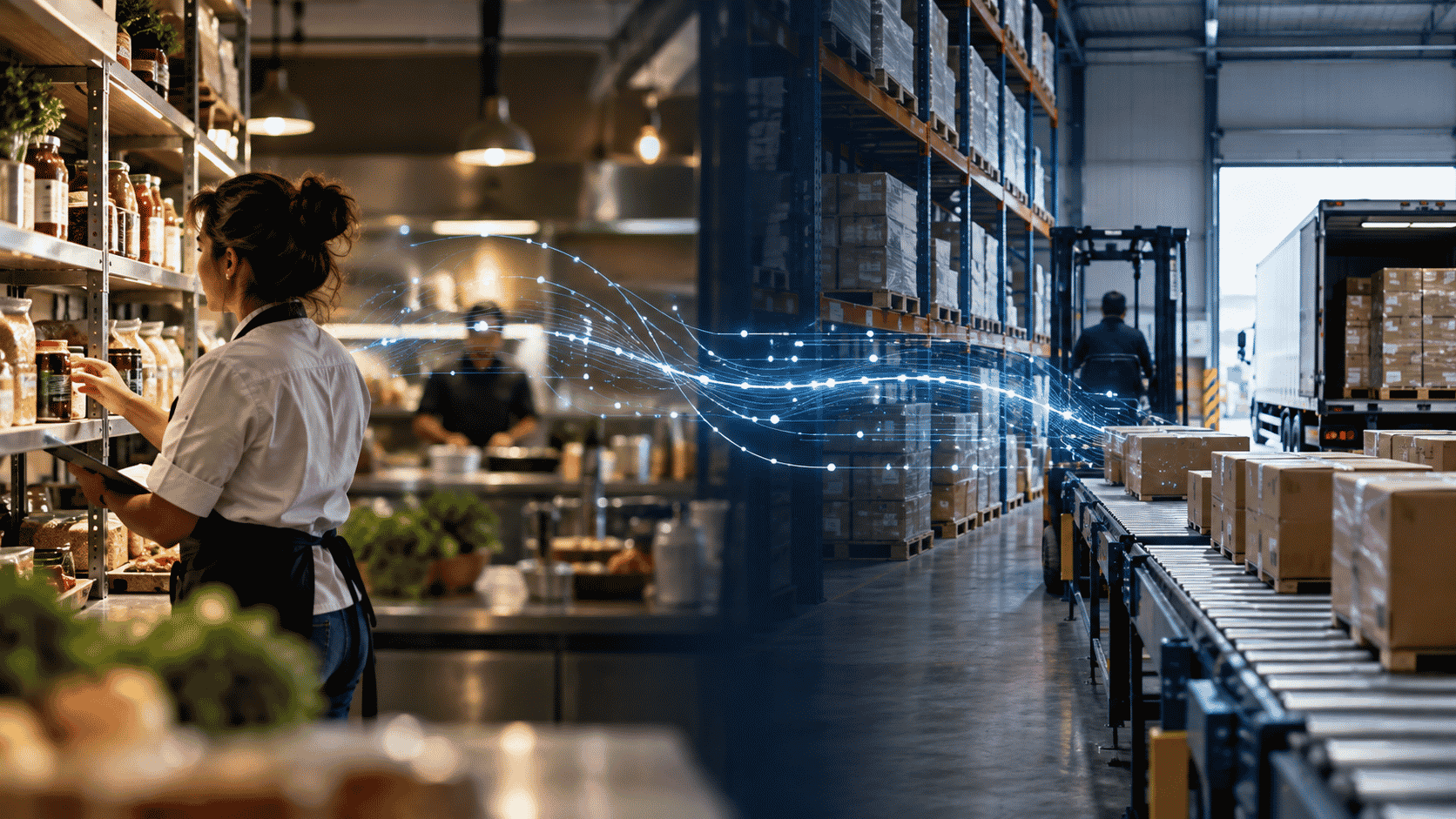
AI purchasing agents are beginning to research products, build orders, and complete transactions on behalf of business buyers. Distributors may soon need to ask: are we ready to do business with our customers’ agents?
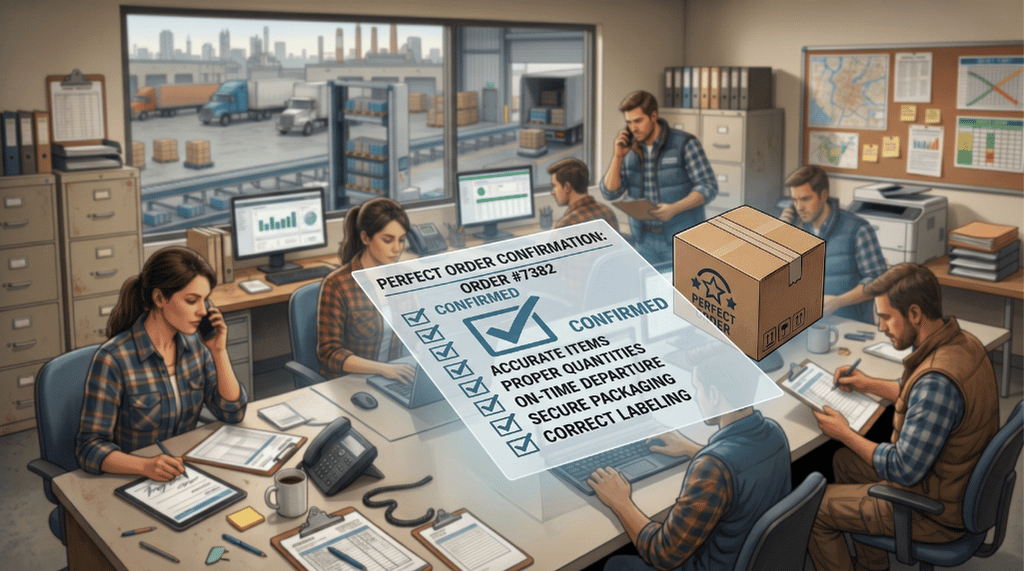
Distributors have spent decades improving warehouse accuracy, routing, and fill rates. The next opportunity for Perfect Order performance is upstream — in how orders are captured before they ever reach the ERP.

When a 20-year employee leaves, what exactly walks out the door with them? Most distribution businesses are more dependent on tribal knowledge than they realize — and AI is changing what they can do about it.

Your ERP records every transaction. But what about the customer who asked for a product you don’t carry, or the order that almost happened? AI is making that invisible data visible.
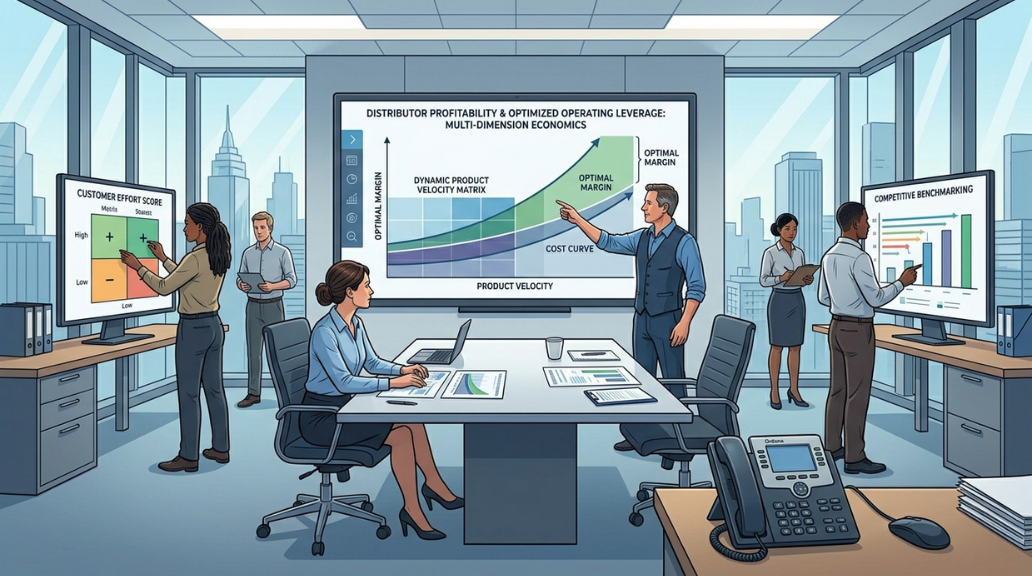
For the first time, distributors have an opportunity to grow revenue without requiring operating costs to increase at the same rate. AI is beginning to change the economics of growth in distribution.

Customers never experience your internal bottlenecks. They only experience the symptoms. Every operational bottleneck eventually becomes part of the customer experience.

Customer effort is not a metric that appears on most operations dashboards, yet it influences loyalty, repeat business, and growth. As products become more commoditized, the experience of doing business matters as much as what you sell.
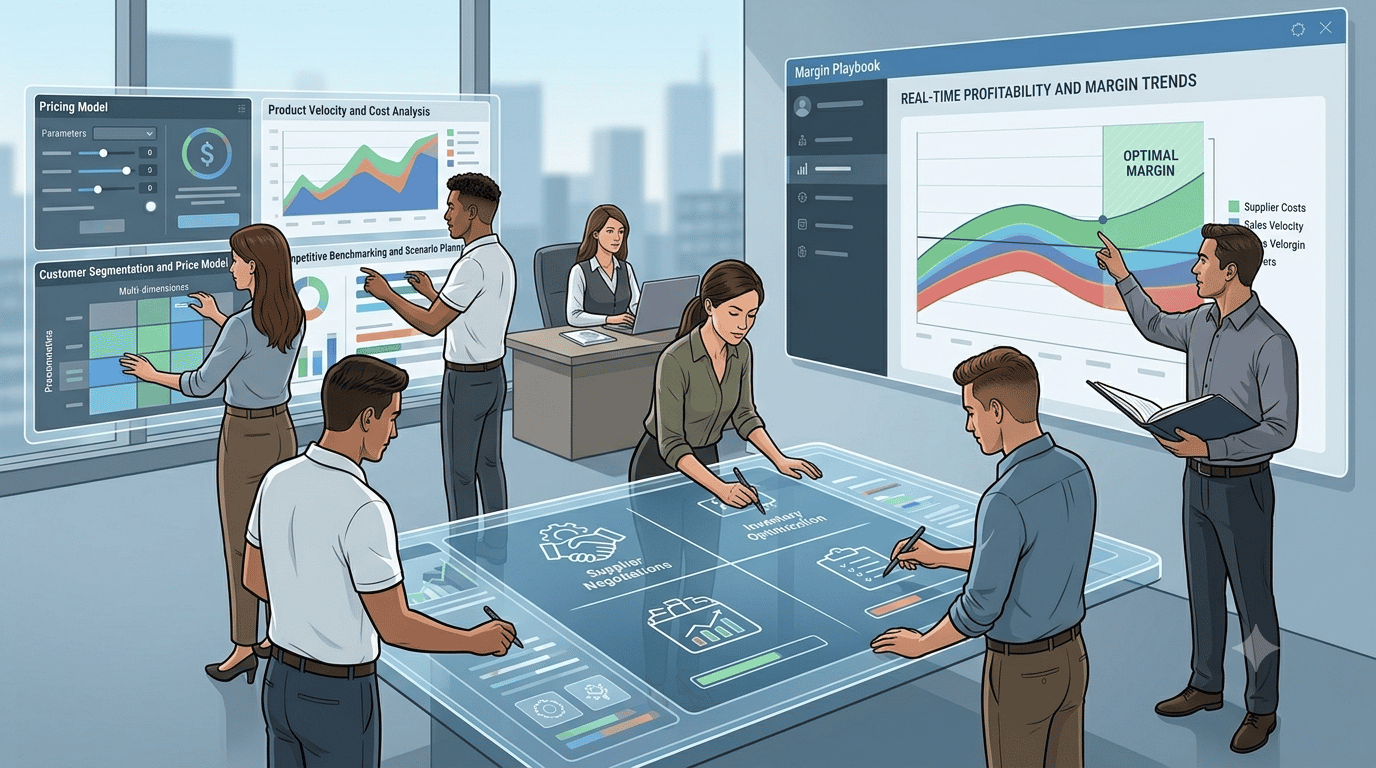
Tariffs, rising labor costs, and shifting customer expectations are putting pressure on margins from every direction. The distributors pulling ahead are rethinking where margin improvement actually comes from.

Many distributors carry similar products and serve the same markets. Yet some consistently grow faster and retain customers longer. The difference is found in how they operate, not just what they sell.
Many AI projects fail to deliver meaningful operational value. The businesses seeing real results approach things differently. The most successful AI projects often feel almost invisible.
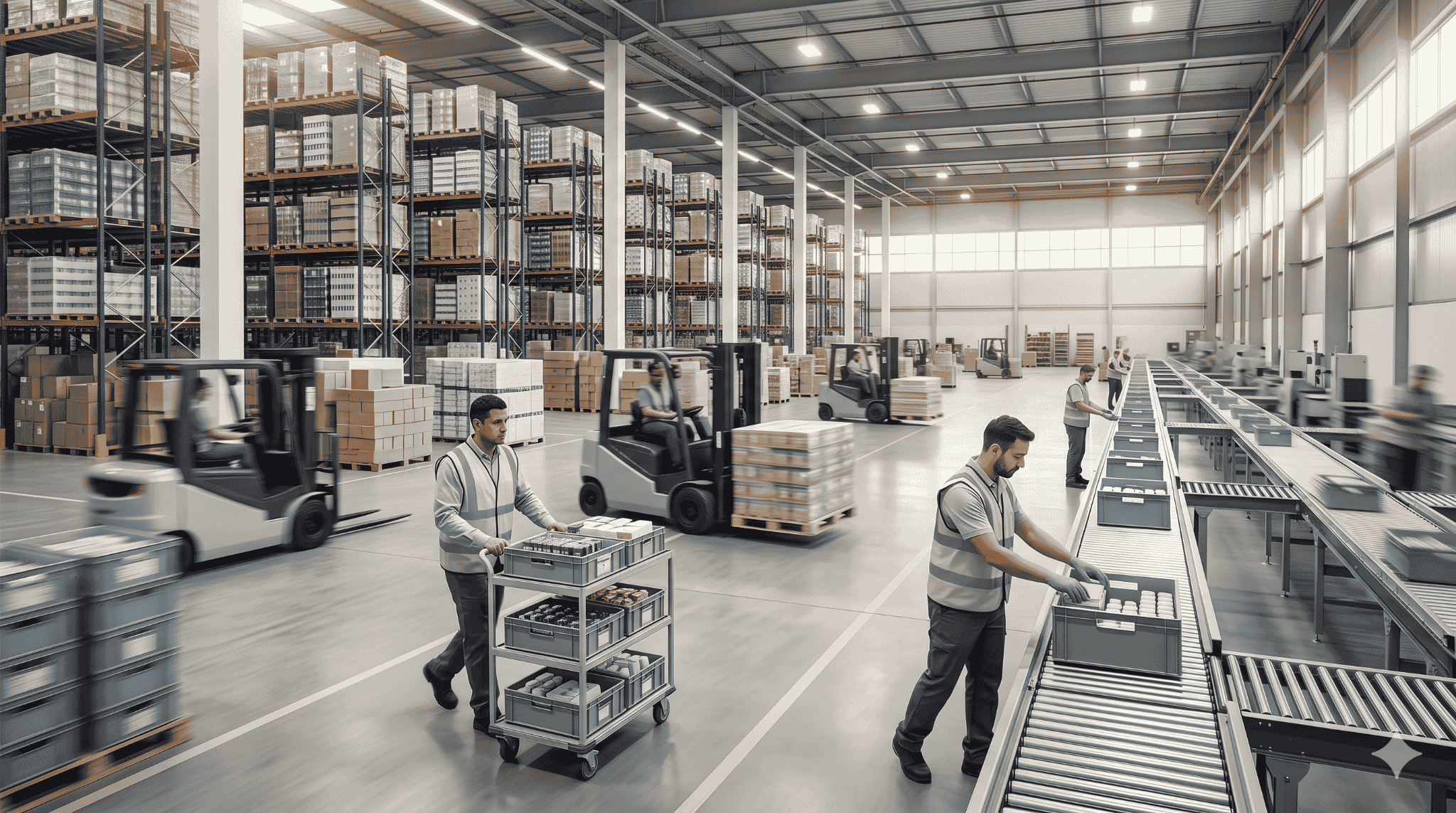
Distribution businesses are increasingly operating in real time, whether they are prepared for it or not. Customer expectations have changed, and the gap between demand and responsiveness is growing.
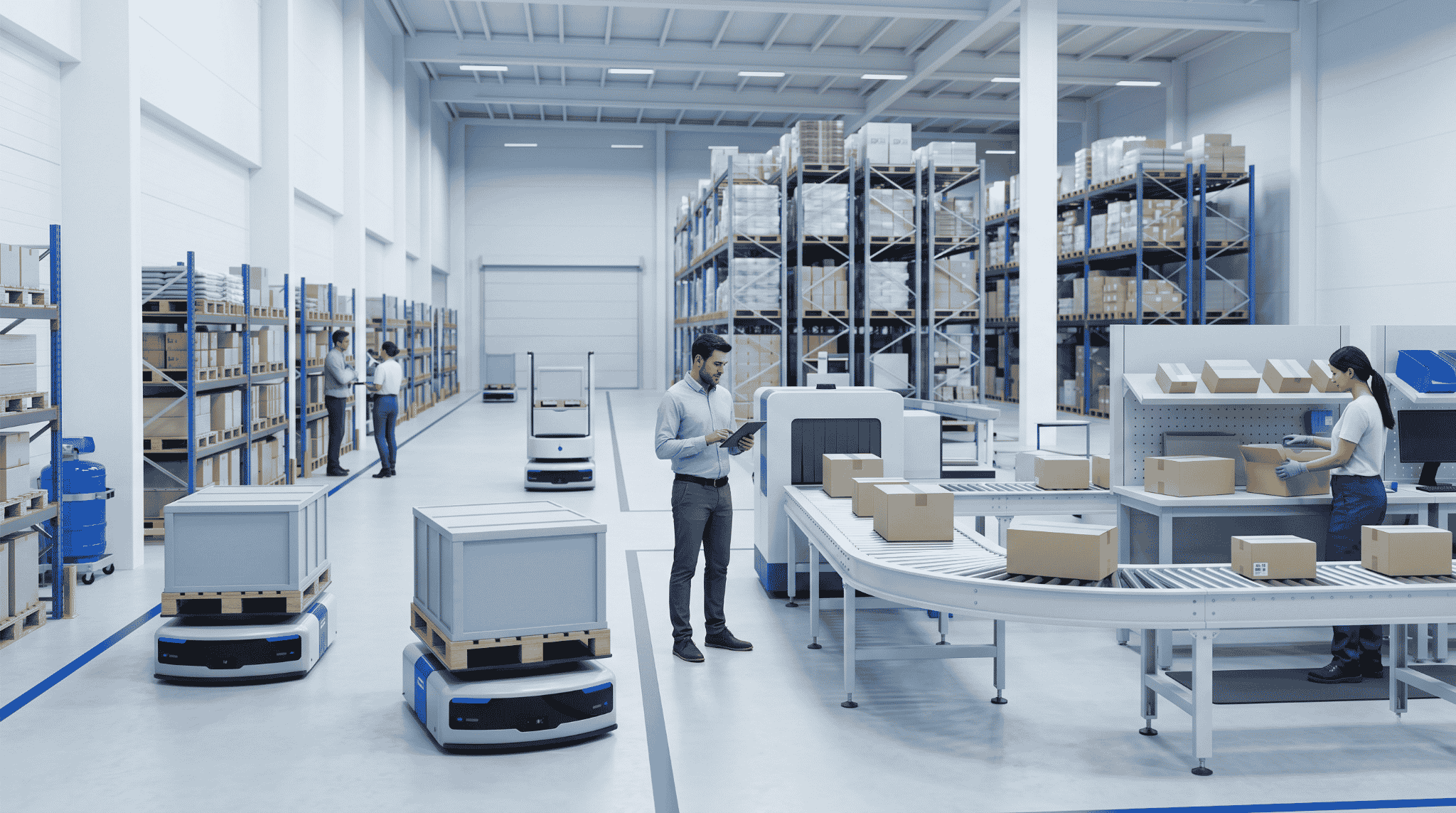
Distribution businesses are under more pressure than ever. What will a winning distribution business actually look like in the next five years? The answer is not a complete overhaul.

Most distributors have invested heavily in technology over the past decade. On paper, operations should be simpler than ever. In reality, many teams feel the opposite.

Most businesses believe they have moved beyond the phone. But if you step back and observe how work actually gets done, a different picture emerges.

Every distributor has an order desk. It connects customers to operations and ensures demand turns into revenue. And yet, it has never been treated as a system.
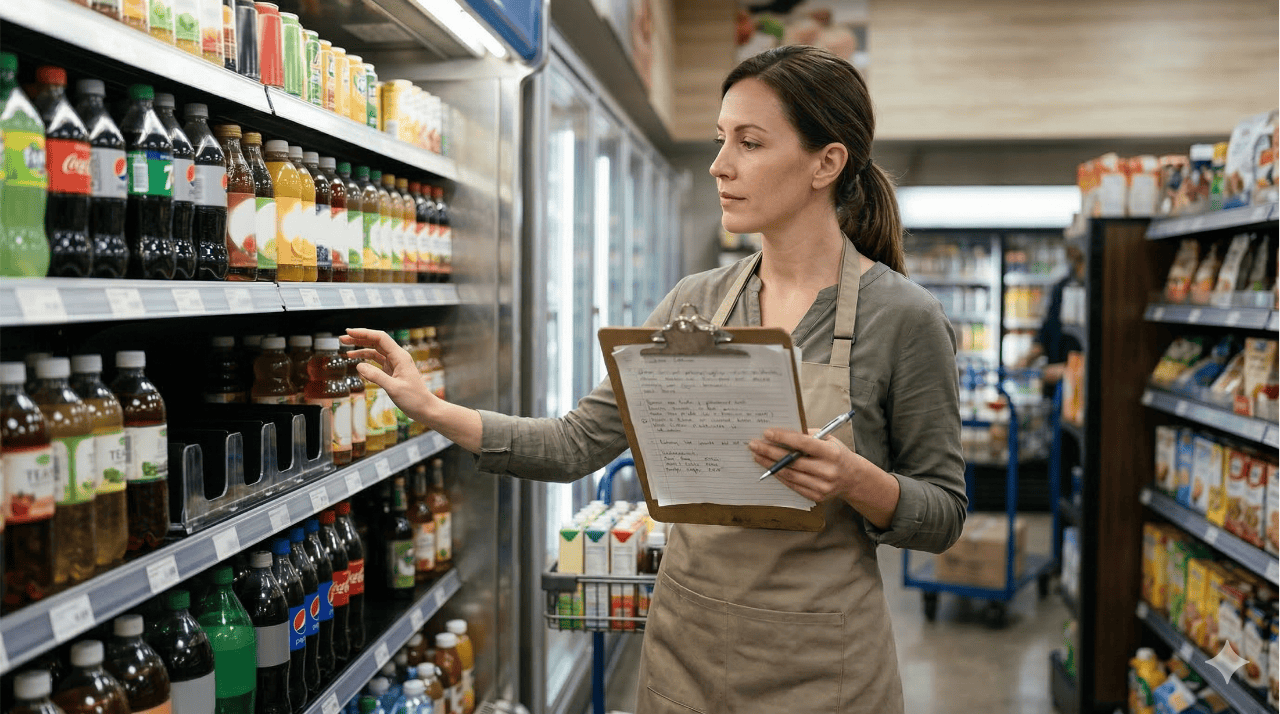
Retail ordering doesn't start on a computer — it starts in the aisle. Most systems are built for the distributor's convenience, not the retailer's reality. Here's what actually happens before an order hits your inbox.
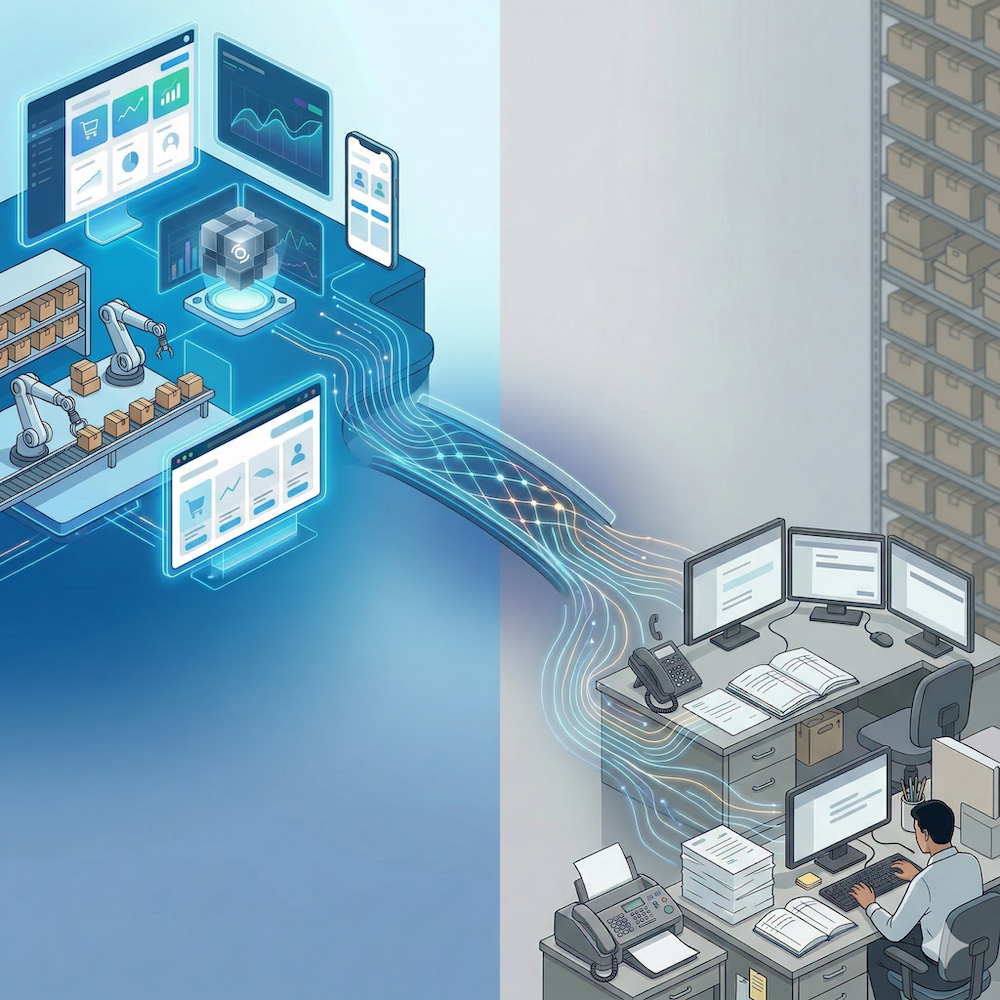
While retail technology has transformed over the past decade, wholesale distribution has largely been left behind. That gap is finally starting to close.

Beverage distribution does not stop at five o'clock. A significant portion of ordering happens after hours, quietly carried by sales reps on their own time.
Silent churn rarely announces itself. By the time revenue drops, the relationship has already changed.

Being customer focused is not just about who answers the phone — it's about whether the phone gets answered at all.
AI has moved from an interesting idea to a practical necessity. Here's a framework for thinking about AI investment.
The next wave of challenges is deeper, structural, and quietly forming beneath the surface of the issues leaders talk about today.

You already have the capital you need to grow. It's just trapped in manual work and repetitive tasks draining your operations every day.

Every major technology shift has come with the same fear. Every time, something remarkable happens instead.

Building an AI-ready operation isn't about replacing people — it's about giving your team the tools to perform better and move faster.

Manual order intake has been the heartbeat of wholesale for decades. Yet it's also one of the biggest hidden drains on profitability, accuracy, and customer experience.